Sandustry Pipes and Pumps Guide
Move water at factory scale, vent steam safely, and stop floods from wrecking your Wet Sand ratios.
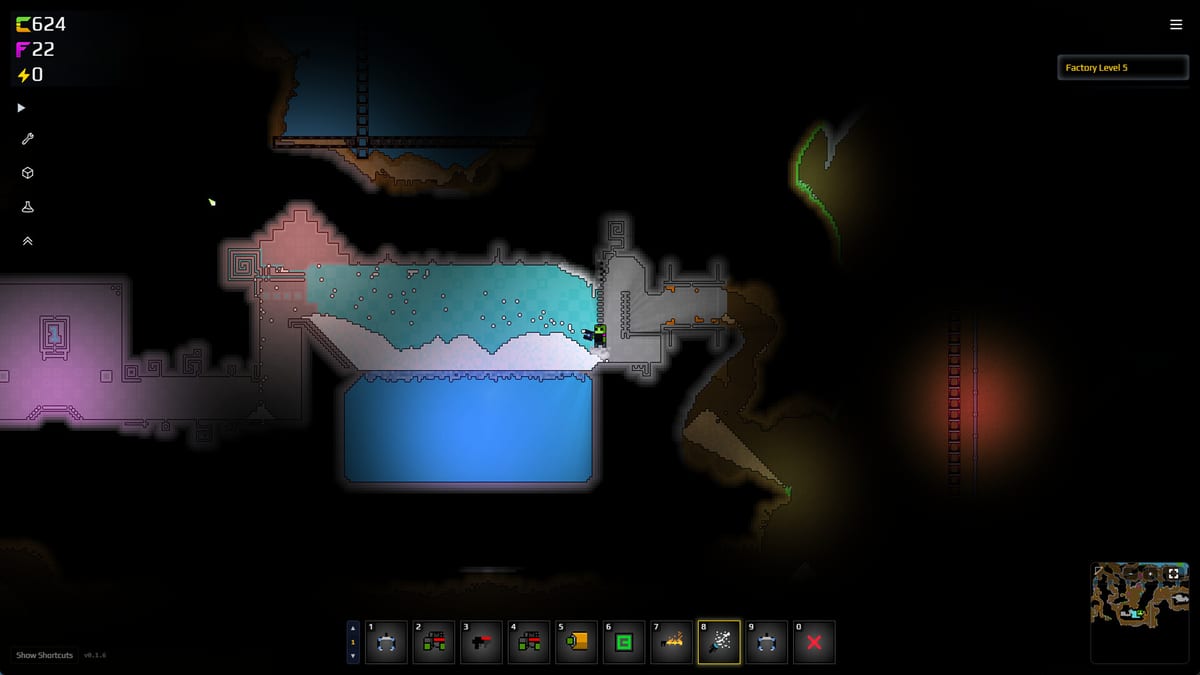
Pipes, Pumps, and Liquid Vents move fluids where buckets fail: remote lakes, elevated wetting pools, steam capture, and controlled Lava routing. Sandustry’s gold loop depends on Water meeting Sand—pipes stabilize that relationship once conveyors outpace manual hauling (Sand and Wet Sand).
Pipes and flow direction
Pipes connect sources to sinks with directional flow. A lake tap above your base can feed a wetting pool on an upper platform while mining continues below. Without one-way planning, draining a lake collapses terrain into tunnels—use buffer tanks between source and consumer.
Keep pipe runs separate from Sand and Slag belts. Mixed maintenance tunnels lead to accidental breaks that flood shaker lines. Run fluid ducts on a dedicated floor or behind walls.
Pumps and head pressure
Pumps lift water vertically. Each pump stage adds effective head; chaining too few pumps leaves a dry upper pipe segment that looks connected but never flows. Place pumps at low points before long climbs to wetting pools feeding Shakers.
Test flow with a vent at the top end before connecting production pools. Empty upper segments indicate insufficient pump count or a blocked intake strainer tile (sand clogging lake entries).
Liquid vents and steam
Liquid Vents release stored fluid at a target—essential for venting Steam created when heat meets water (Water, Ice, and Steam). Steam that cannot escape compresses oddly against water tiles and reduces effective wetting throughput.
Vent steam sideways away from sand belts. Blowing steam across a dry sand pile does not create controlled Wet Sand—it creates random wet patches that break ratio planning on Material Ratios.
Wetting pool design with pipes
Controlled wetting uses a fixed inlet valve (pipe vent) and a fixed outlet belt scoop tile. Pipe-fed pools maintain the one Sand plus one Water equals two Wet Sand rule without emptying entire lakes.
Size pool volume to ~10–20 seconds of shaker consumption so brief mining pauses do not starve belts. Add a overflow vent to a harmless pit so excess water does not back up into pump intakes.
Ice, lava, and hazards
Ice blocks pipe intakes until melted—Flamethrower maintenance on lake taps in cold biomes. Lava in contact with water creates steam bursts and terrain damage; never merge lava and water pipes without isolated chambers.
Lava density sits between RedSand and Gold—route lava with separate vents, not wetting pools (RedSand and Fluxite). Planter Boxes needing Soil and water use smaller pipe branches; do not starve main wetting lines for farming side projects early.
When buckets are enough
Stick with buckets until either distance or shaker count makes hauling the bottleneck—usually when two or more shakers run continuously. Then read Water Management and upgrade to pipes before adding a third shaker.
Pair pipe networks with Conveyors and Launchers for sand intake and Filters if pool overflow carries slag.
Planter boxes and side branches
Planter Boxes for Soil crops use small water branches tee’d off the main line. Install a valve pattern so farming experiments never drain the primary wetting header—turn off side branches during shaker ramp-ups when water pressure is tight.
Buffer tanks and overflow vents
A buffer between lake tap and wetting pool absorbs mining pauses without draining the whole lake into your base. Size buffers to roughly ten seconds of mixer demand at your current shaker count—expand the tank when adding shakers, not after mixers run dry. Overflow vents to a harmless pit prevent back-pressure into pump intakes when rain or steam adds unexpected volume. Never tee lava cleanup water into the same vent as wetting overflow without isolated chambers.
Pipe maintenance habits
Walk pipe runs after digger drones or earthquakes shift terrain— a single broken segment looks connected in the blueprint but starves mixers silently. Melt ice on lake intakes before blaming pump count. When relocating a wetting pool, rebuild pipes before dismantling the old pool so shakers never run dry mid-retrofit.
More buildings on the Buildings Hub.
Frequently Asked Questions
Quick answers to the most common Sandustry questions.
When should I build Pipes instead of using buckets?
When wet sand demand exceeds manual hauling—typically two+ shakers or remote water sources. See wetting pool design above.
Why is my upper pipe dry?
Insufficient pumps or a blocked lake intake. Add pump stages at the low point and test with a top vent before production use.
How do Liquid Vents help with steam?
They release steam pressure away from wetting pools. Route steam vents sideways—details in Water, Ice, and Steam.
Can I pipe water directly onto Sand belts?
You will create uncontrolled Wet Sand and clogs. Use dedicated wetting pools with fixed inlets and belt outlets instead.
How do pipes interact with lava?
Keep lava and water on isolated networks. Mixing causes steam bursts—route lava with separate vents and filter guards.